











Understanding gambling addiction Key signs to watch for
Defining Gambling Addiction
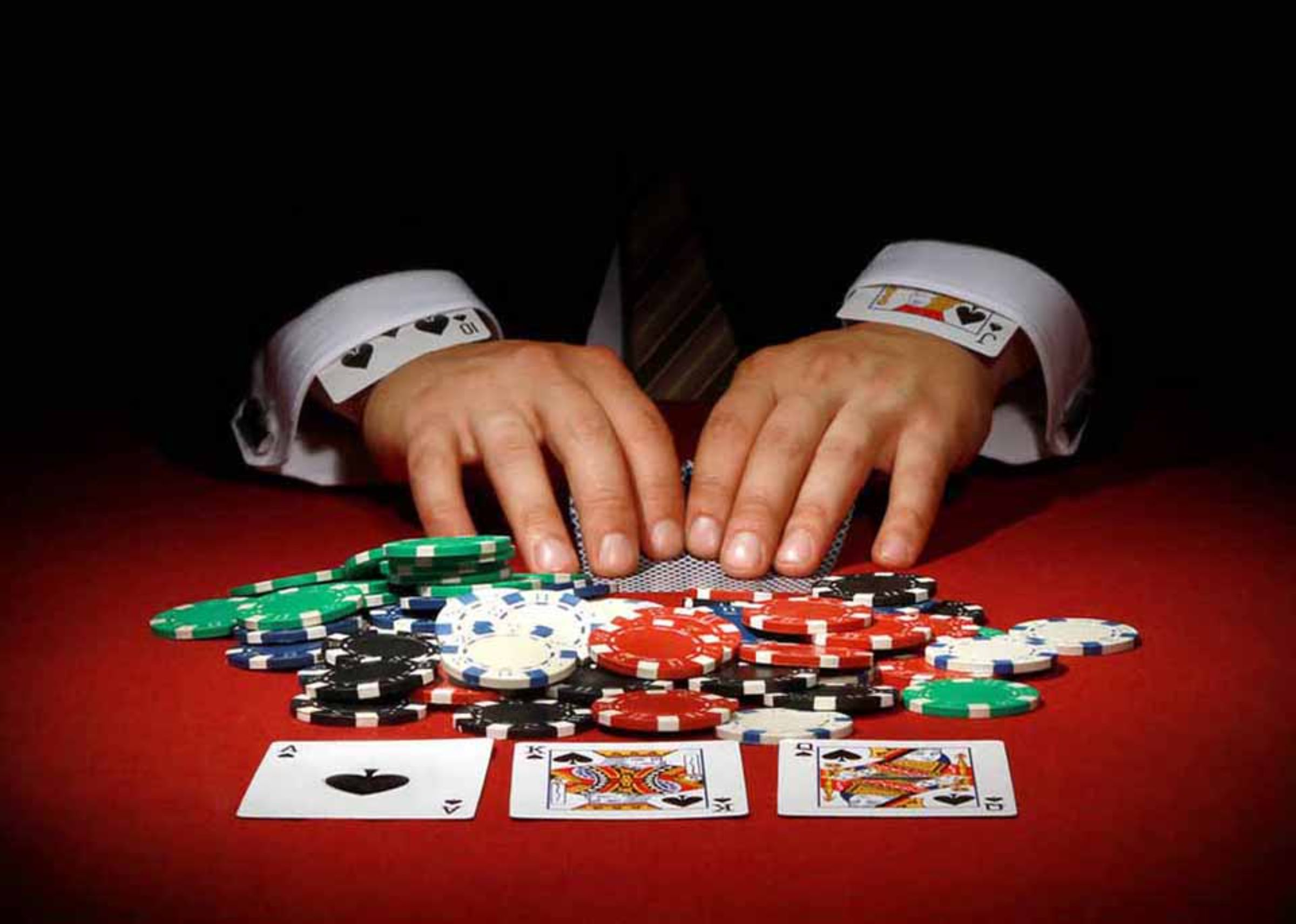
Gambling addiction, also known as compulsive gambling, is a behavioral condition characterized by an uncontrollable urge to gamble despite the harmful consequences. It affects individuals from all walks of life, transcending age, gender, and socio-economic status. This addiction often leads to financial ruin, relationship breakdowns, and emotional distress, making it crucial to understand its key signs and symptoms. For UK players looking to enjoy wagering responsibly, exploring options like uk betting sites not on gamcare can provide alternative avenues.

The addictive nature of gambling can be likened to substance abuse, as it activates the brain’s reward system, causing feelings of euphoria with each win. However, the high is often followed by guilt or despair, which can perpetuate a cycle of further gambling in an attempt to regain losses or escape negative emotions.
Common Signs of Gambling Addiction
Recognizing the signs of gambling addiction can be the first step toward recovery. Individuals may exhibit behaviors such as preoccupation with gambling, where thoughts about betting consume their daily lives. This preoccupation can lead to neglecting personal relationships, work responsibilities, and other important aspects of life.
Another common sign is the need to gamble with increasing amounts of money to achieve the desired excitement. This can lead to escalating losses, which may drive an individual to borrow money, steal, or engage in illegal activities to fund their gambling habits. These behaviors not only endanger their financial stability but also their mental and emotional well-being.
Emotional and Behavioral Indicators
Emotional and behavioral changes are often significant indicators of gambling addiction. Individuals may experience heightened anxiety, irritability, or mood swings when attempting to cut back on gambling. This emotional distress can lead to isolation, as they might withdraw from friends and family to hide their gambling activities.
Additionally, individuals may resort to gambling as a way to cope with stress or escape negative emotions. This reliance on gambling as a coping mechanism can further entrench the addiction, making it difficult to break free from the cycle. Recognizing these emotional shifts is vital for understanding the depth of the problem and seeking help.
The Impact on Relationships
The impact of gambling addiction extends beyond the individual, affecting relationships with friends, family, and colleagues. Loved ones may feel betrayed or neglected, leading to conflicts and breakdowns in trust. As the gambler prioritizes their addiction over personal relationships, partners may experience feelings of abandonment or frustration, further complicating the dynamics of the relationship.
In many cases, families may experience financial strain due to the consequences of gambling. This financial stress can lead to increased tension and conflict within the household. Open communication and support are crucial in helping both the individual struggling with addiction and their loved ones navigate this challenging situation.
Resources and Support Options
For those recognizing the signs of gambling addiction, numerous resources and support options are available. Professional counseling, support groups, and hotlines provide a safe space for individuals to discuss their struggles and seek help. Engaging with professionals trained in addiction can be vital for recovery, offering strategies and coping mechanisms to deal with urges.
Additionally, educational materials and workshops can help raise awareness about the risks associated with gambling. Awareness is the first step toward prevention and recovery, highlighting the importance of making informed choices. Seeking help is not a sign of weakness, but rather a courageous step toward reclaiming one’s life.
